Révolutions silencieuses,
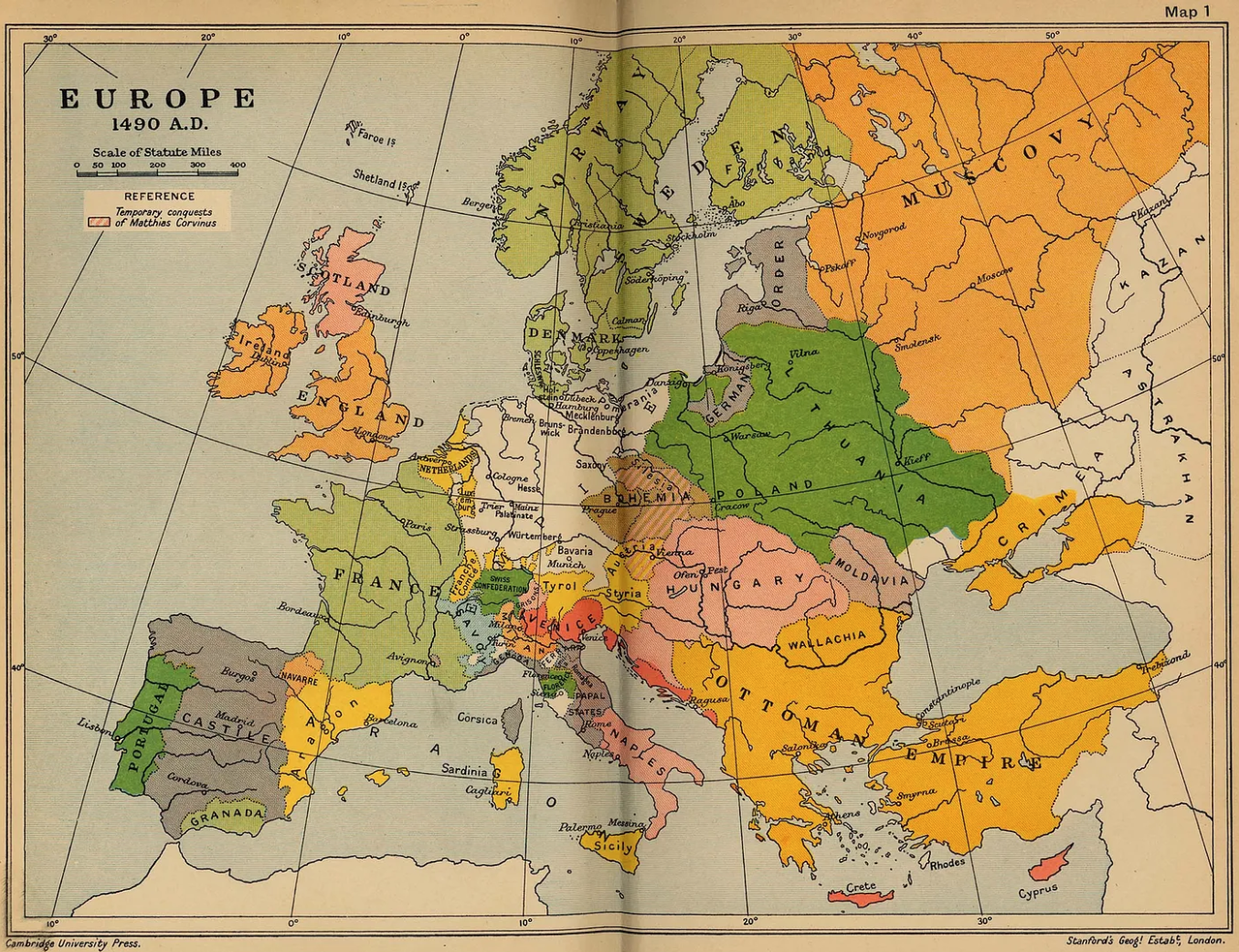
Et si la plus grande révolution du XXe siècle n’était pas l’IA ou la crise climatique prise isolément, mais la dissolution progressive de l’État-nation? Ce petit livre propose un regard radicalement neuf : en analysant dix signaux faibles (de la montée des villes-plateformes à la privatisation du régalien, de la biorévolution à la désynchronisation sociale, de l’internet quantique à l’émergence des nations migrantes), il cartographie pour la première fois l’avènement d’un monde fractal, archipélisé, où le pouvoir, la solidarité et l’identité se reconfigurent à chaque instant.
L’ambition de cet essai, remarquablement pédagogique, est de proposer une lecture intégrée, transversale et accessible des grands bouleversements actuels, en mettant au jour les dynamiques profondes (et souvent invisibles) qui transforment nos sociétés : fragmentation des pouvoirs, érosion du modèle étatique, émergence de nouveaux « archipels» d’appartenance et d’innovation.
Le nouveau livre de Laurent Kinet parait aux Impressions Nouvelles.


Laurent’s writing.
Laurent’s writing bridges business, storytelling, and lived experience. He is the author of Corporate Venturing, a Framework, a practical guide for innovation leaders, as well as several white papers and essays on startup collaboration and AI-driven scouting.
His work also includes literary fiction, experimental formats, and scripts for stage and television, notably from humanitarian missions in Madagascar. Whether strategic or narrative, his writing aims to bring clarity, structure, and humanity to complex systems.
Enterprise Readiness Level
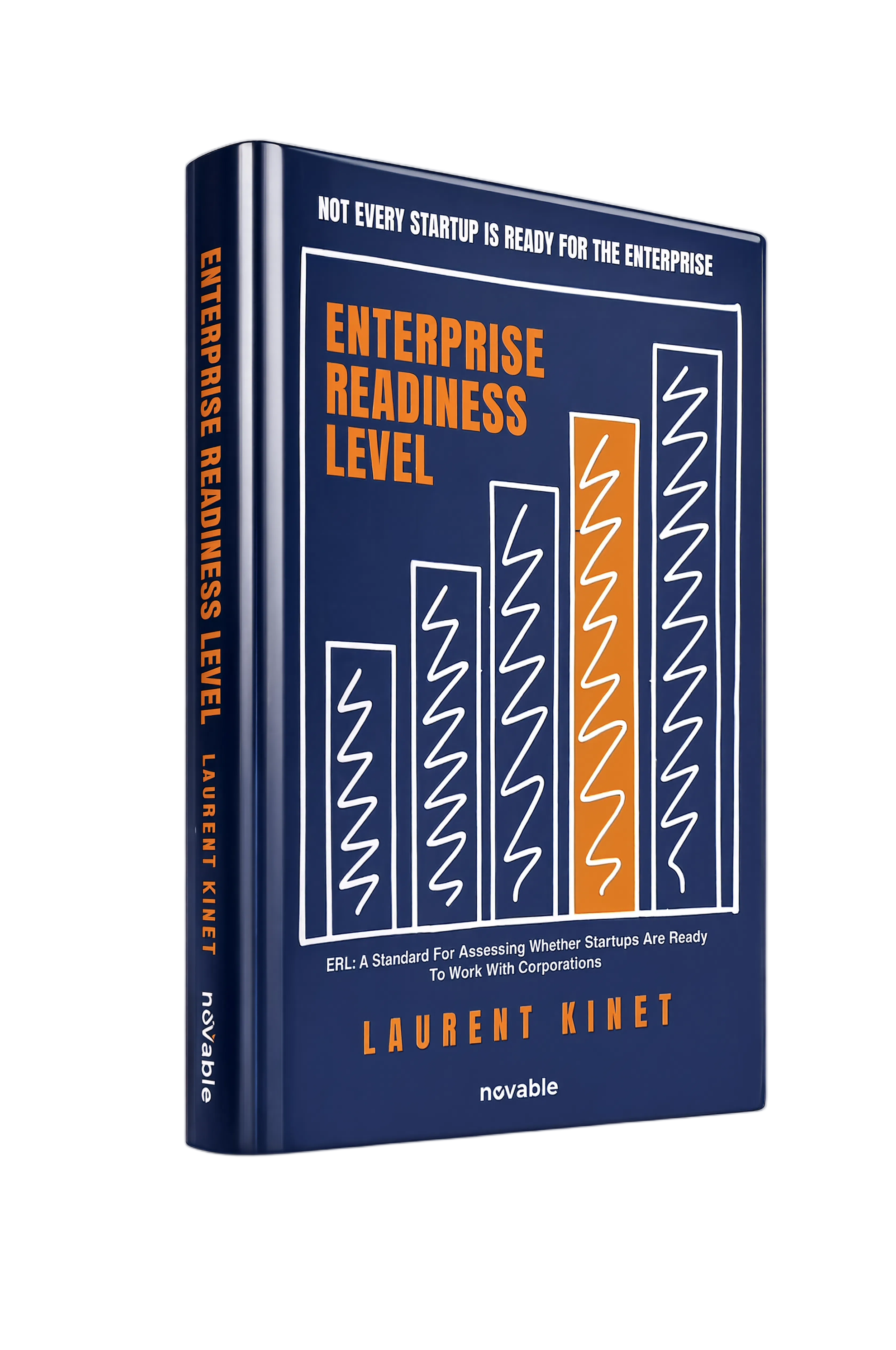
Enterprise Readiness Level is both an assessment framework and a practical methodology for judging whether an emerging company can carry an engagement with a large organisation. It scores startups across 49 criteria and produces a single readiness level, with the evidence behind it kept visible.
At its centre is the gap that stalls most corporate-startup projects. Procurement asks for guarantees a young company has never had to produce, and both sides usually discover this at contract stage, after months of work. The ERL surfaces that gap before anyone commits.
Developed with industry and academic practitioners, and based on 200+ interviews of corporate innovation professionals, the framework covers governance, financial solidity, operational maturity, compliance, and delivery capacity.
Built for innovation leaders shortlisting for a pilot, procurement teams asked to approve an unfamiliar supplier, and founders who want to know what they are missing before a corporate asks.
Practical, evidence-based, and honest about what a startup can and cannot yet support.
→ Available in print and as part of select keynote and workshop formats.
Corporate Venturing, a Framework

Corporate Venturing, a Framework is both a reference guide and a practical methodology for corporate-startup collaboration. It presents 100 real-world benefits and 50 collaboration models, helping organisations navigate this complex landscape with structure and clarity.
At its core is a cross-referencing canvas that enables teams to align objectives, formats, and outcomes, fast. Designed for innovation leaders, strategists, and transformation teams, it brings order to a space often cluttered by buzzwords.
The framework is grounded in field experience, not theory. It covers venture clienting, co-development, CVC, and more, with a focus on governance, cultural fit, and strategic intent.
Whether you're launching a program or challenging an existing one, this book is a tool, not just a point of view.
Accessible, actionable, and brutally clear about what works and what doesn’t. Already used by corporates across sectors to sharpen decision-making and accelerate alignment.
→ Available in print and as part of select keynote and workshop formats.
Is the Computer the Ultimate Startup Analyst?

This white paper explores the growing need for smarter startup scouting in corporate innovation, and the shortcomings of traditional methods.
It makes the case for AI as a game-changer in corporate venturing, especially in identifying and matching startups to strategic needs. Based on 18 months of research and fieldwork with large companies, the paper introduces Novable’s AI-powered approach to startup sourcing.
It outlines the four key use cases of corporate venturing (monitoring, partnering, investing, and acquiring) and where current tools fall short.
The paper presents Novable’s model as a "Google, not Altavista", a shift from keyword search to contextual, personalised, network-aware intelligence. It also unpacks the SAD syndrome (Spot–Analyse–Drop) and how AI can reduce wasted effort by up to 80%. Built on machine learning, network science, and real-time crawling, Novable redefines what startup scouting can be.
For innovation leaders, this white paper is both a strategic overview and a practical introduction to AI-driven innovation sourcing.
-
![]()
Corporate-Startup Partnership: The Geostrategic Challenge of Europe
Why is Europe in need of seamless innovation flows — and why are Corporate-Startup partnerships the key driver of economic growth in the 21st century?
-
![SAD Syndrom]()
What added value does AI bring to innovation and startup scouting?
It has become commonplace to say that artificial intelligence is moving into all areas of human activity. Yet, there is one area where this siege is still in its infancy: Corporate Venturing. The benefits are however undeniable.
-
![SMEs need to step up to the corporate innovation challenge]()
SMEs need to step up to the corporate innovation challenge
Innovation might sound like it is too expensive for small companies — but done right, it takes less resource than R&D.
-
![]()
Startup Scouting is the least innovative activity ever (time to fix that)
Description gIs there a problem with corporate venturing today? Oh no. Corporate venturing is good, as well as being necessary for our world’s evolution and for the resolution of massive issues.
-
![]()
The world has a fundamental problem with corporate governance
In almost every country of the world, the fundamental principles of corporate governance are a remainder of a pre-technology era, deeply misaligned with today’s world.
-
![Falko Denoël]()
Falko Denoël (personal writing blog)
(in French) A personal writing space where I explore fiction formats like short novels, microfictions and poetry.
-
![The Herman Show]()
The Herman Show (novel)
Un soir de première, Marc Herman est contraint de quitter sa loge quelques instants avant son entrée en scène. Il est emmené, de force et les yeux bandés, jusqu’à Monsieur P***, personnage mystérieux qui lui impose un dilemme qui va bouleverser le reste de son existence. On lui propose de participer à une émission de télé-réalité.